

Early Intervention ABA Therapy
The Earlier You Starts, the Stronger the Impact
Your child's brain is wired to learn right now. Every day you wait is a day their brain isn't getting the support it needs during the most critical window for development.
Early intervention ABA therapy gives young children with autism the tools to communicate, connect, and build independence during the years when learning comes easiest and skills stick longest.
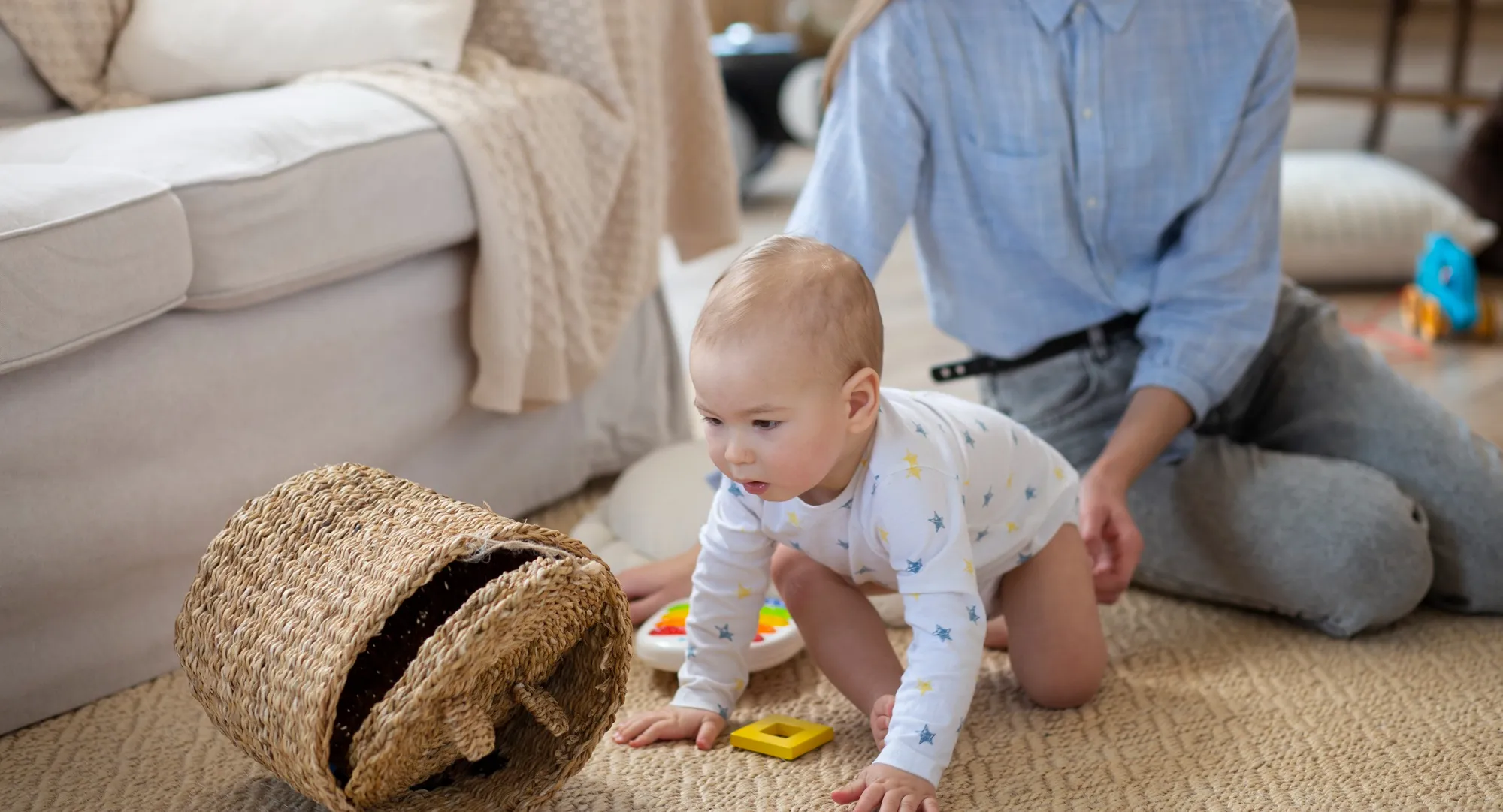

Early Intervention Makes All the Difference
Young Brains Learn Faster
Children ages 2-5 are in a critical developmental window. Their brains are forming connections at a pace they'll never match again. Skills learned now become the foundation for everything that comes next.
Small Changes Lead to Big Gains
Teaching a 3-year-old to request help takes weeks. Teaching a 7-year-old the same skill takes months. Early intervention capitalizes on your child's natural learning window.
Challenging Behaviors Are Easier to Address Early
Behaviors become habits. A 3-year-old who hits when frustrated can learn better coping skills quickly. A 10-year-old who's been hitting for seven years has a much harder pattern to break.
Skills Build on Each Other
Communication leads to social interaction. Social interaction leads to play. Play leads to learning. Starting early means each skill your child learns becomes the building block for the next one.
What Early Intervention ABA Therapy Looks Like
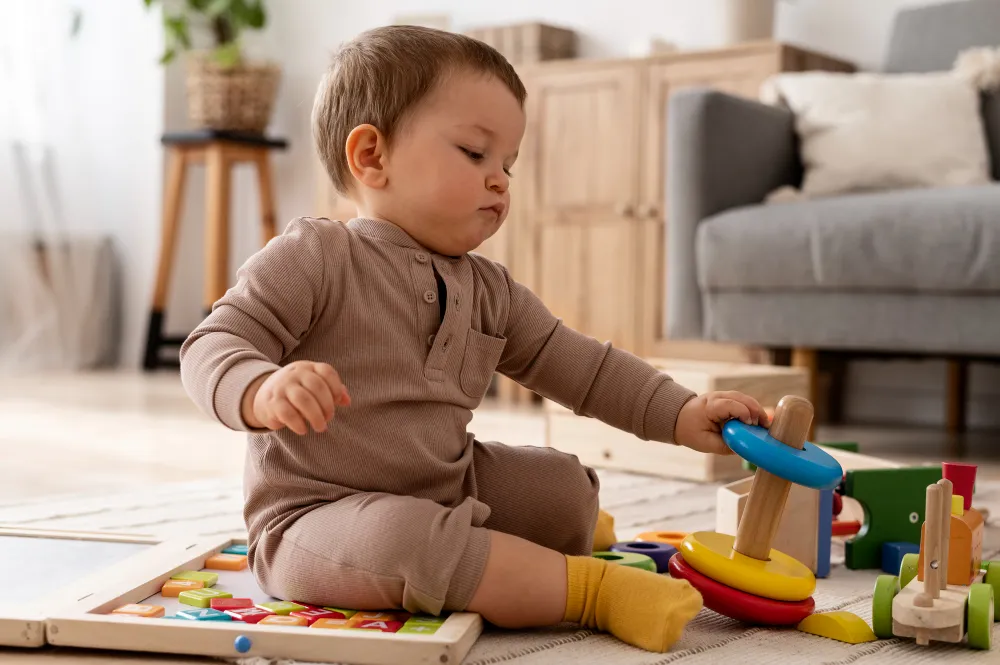
Play-Based Learning
Early intervention happens during play, daily routines, and activities your child already enjoys. Learning feels natural, not forced.
Focus on Communication First
Whether your child uses words, signs, gestures, or a communication device, we prioritize helping them express what they need. Communication reduces frustration and opens the door to everything else.

Building Social Connections
We teach your child how to engage with others; eye contact, taking turns, responding to their name, playing with peers. Social skills learned early make school and friendships easier later.

Parent Coaching Included
You learn strategies to support your child's progress throughout the day. Early intervention works best when parents know what to do between therapy sessions.

Skills We Target in Early Intervention

Communication
Requesting needs, labeling objects, answering simple questions, using words or alternative communication, expressing feelings.

Social Skills
Responding to their name, making eye contact, joint attention, playing near other kids, taking turns, simple back-and-forth interaction.
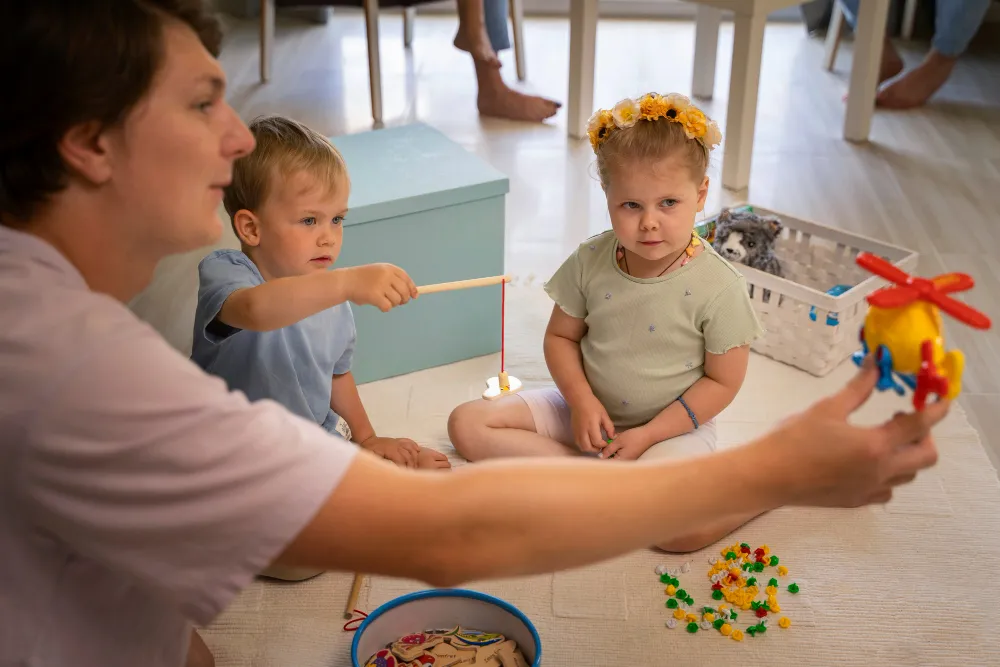
Play Skills
Using toys appropriately, pretend play, imitating actions, playing games, engaging with peers.

Daily Living
Eating with utensils, drinking from a cup, toilet training, washing hands, getting dressed, following simple routines.

Emotional Regulation
Handling transitions, waiting, managing frustration, coping with changes, staying calm during disappointment.

Reducing Challenging Behaviors
Tantrums, aggression, self-injury—we figure out why behaviors happen and teach better ways to communicate needs or cope with frustration.
How ABA Early Intervention Works at Milestone
Step 1:
Comprehensive AssessmentA Board Certified Behavior Analyst (BCBA) evaluates your child's current skills, strengths, and areas for growth. We identify what your child needs most right now.
Step 2:
Individualized Treatment Plan
We build a plan tailored to your child's developmental level and your family's priorities. Early intervention isn't one-size-fits-all.
Step 3:
Therapy Begins
Your child works one-on-one with a trained therapist during play, routines, and activities. Sessions happen at home where your child is comfortable and learning transfers easily.
Step 4:
Parent Training
You learn strategies to reinforce skills throughout the day. Progress doesn't just happen during therapy hours—it happens because you know what to do at home.
Step 5:
Ongoing Progress Monitoring
We track your child's growth, adjust goals as they master skills, and keep you informed every step of the way.
What Early Intervention ABA Therapy Looks Like in Real Life
Your Child Starts Communicating - Instead of screaming when they want something, your child points, uses a word, or brings you a picture. Communication reduces frustration for both of you.
Tantrums Decrease - Your child learns better ways to handle frustration and express needs. Meltdowns become less frequent and less intense.
Social Engagement Increases - Your child responds when you call their name. They make eye contact. They start showing interest in other children instead of ignoring them.
Independence Grows - Your child starts doing more on their own—eating, getting dressed, following simple instructions. You're not doing everything for them anymore.
Preschool and Kindergarten Become Easier - Skills learned in early intervention transfer to school. Teachers notice your child can follow routines, communicate needs, and participate in group activities.

Hear It From Parents Who Started Early

I Wish I'd Known Sooner
We started early intervention at 2 and a half. By the time my daughter was 4, she was communicating in sentences and playing with other kids. I can't imagine where we'd be if we'd waited.
Lauren, mom of 4-year-old

The Progress Was Incredible
My son wasn't talking at all when we started. Six months later, he was using 2-3 word phrases. A year later, he was having conversations. Early intervention changed his trajectory.
Marcus, dad of 3-year-old

It Gave Us Hope
When my daughter was diagnosed at 2, I was terrified about her future. Early intervention showed me she could learn, grow, and thrive. Now I'm not scared anymore—I'm excited.
Alicia, mom of 5-year-old
Kindergarten Was Smooth Because We Started Early
My son started early intervention at 3. By the time he hit kindergarten, he had the skills to succeed. His teacher had no idea he'd ever struggled. That's the power of starting early.
David Carter, dad of 7-year-old
What you'll notice with Early Intervention
First Month
Months 2–3
Months 4–6
Month 6+
Early Intervention FAQs
As soon as you have an autism diagnosis. We typically work with children as young as 18 months to 2 years old. The earlier you start, the better.
Yes. ABA therapy requires an autism diagnosis from a qualified medical professional like a pediatrician, psychologist, or developmental specialist.
Most young children receive 10-25 hours per week depending on their needs. Your BCBA recommends hours based on your child's assessment.
No. Early intervention doesn't cure autism, but it gives your child the skills to communicate, connect, and navigate daily life more effectively.
If your child has an autism diagnosis, they're not too young. Early intervention capitalizes on the years when their brain is most receptive to learning.
That's normal for young children. We work with your child's natural energy levels and attention span. Sessions are play-based and adapted to what your child can handle.
Yes. Most major insurance plans in Georgia are required to cover ABA therapy for children with autism. We verify your benefits upfront.
Absolutely. Parent involvement is encouraged. You'll learn strategies to support your child's progress throughout the day.
No. While earlier is better, children of all ages can benefit from ABA therapy. It's never too late to start.
We collect data during every session and provide regular progress reports. You'll see changes at home before weIt varies. Some children need 1-2 years of intensive therapy. Others need longer. We adjust as your child grows and masters skills. show you the graphs.
Where We Offer Early Intervention ABA Therapy
Milestone Achievements provides early intervention services throughout Georgia:
Start Early. Build a Strong Foundation.
The earlier your child starts ABA therapy, the stronger their foundation for communication, social skills, and independence. Early intervention capitalizes on the years when learning comes easiest and progress happens fastest.
Don't wait. Start Now
